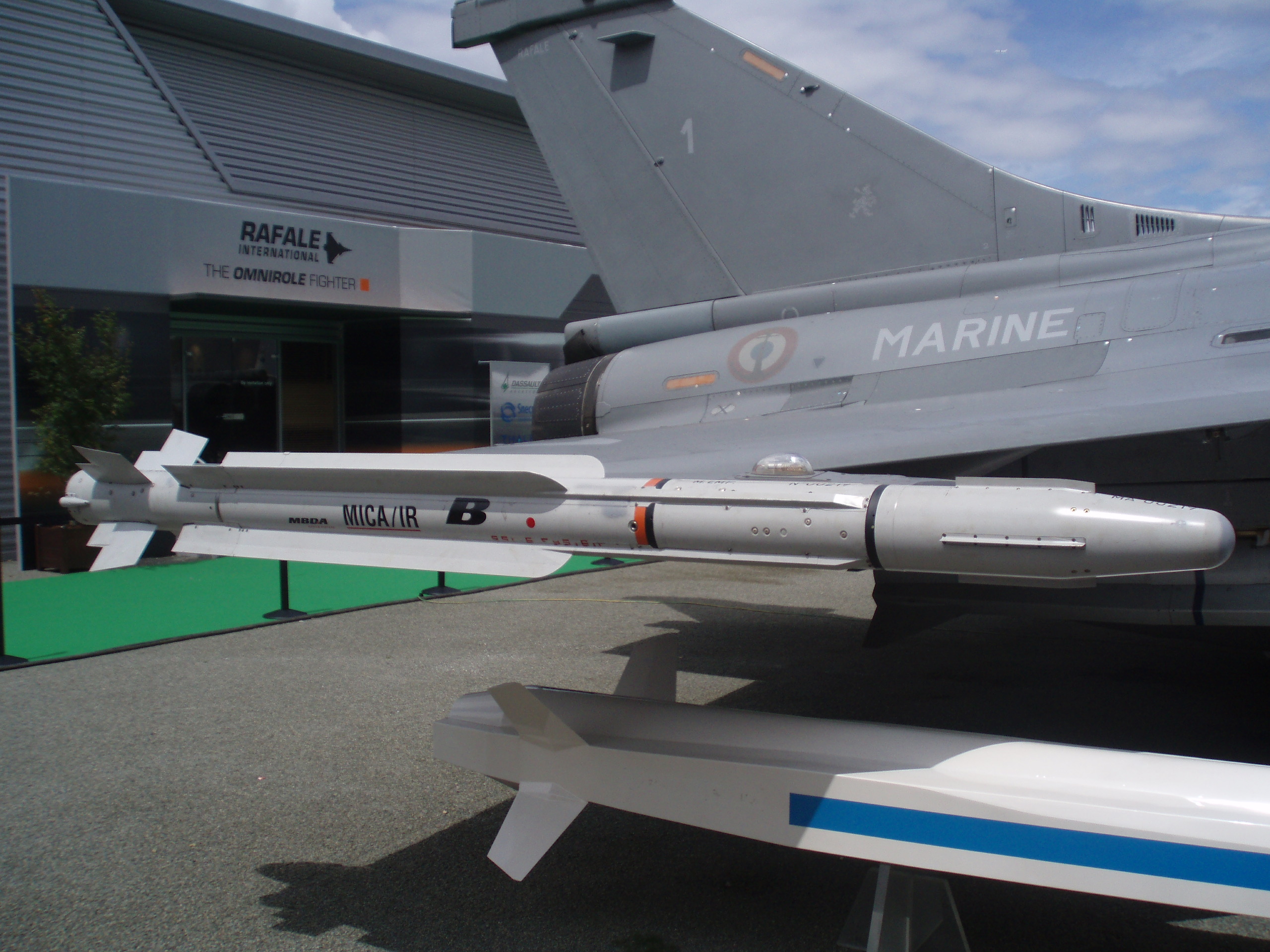
 Photo Credit: Wikipedia / MICA (missile)
 Escalating Russian Strikes Near Kyiv Highlight Ukraine's Critical Air Defense Vulnerabilities
EXECUTIVE KEY POINTS
- Russian forces launched sustained overnight missile attacks near Kyiv, resulting in the tragic deaths of three individuals, including a child, which immediately intensified humanitarian concerns and underscored the direct civilian impact of the ongoing conflict.
- Ukrainian President Volodymyr Zelensky had previously issued a critical warning about Ukraine's rapidly dwindling supplies of missile interceptors, a statement that directly preceded and contextualized the renewed Russian aerial bombardments.
- The timing of Russia's continued attacks, following Zelensky's public disclosure of air defense vulnerabilities, suggests a potential strategic exploitation by Moscow to further degrade Ukraine's defensive capabilities and exert pressure on its capital region.
- These events collectively amplify the urgent calls from Kyiv for accelerated international military assistance, particularly advanced air defense systems and interceptor munitions, to counter Russia's persistent aerial aggression and protect civilian populations.
The recent wave of Russian missile attacks near Kyiv, which tragically claimed the lives of three individuals, including a child, marks a significant escalation in the ongoing conflict. These overnight bombardments immediately followed a stark warning from Ukrainian President Volodymyr Zelensky regarding the critically dwindling supplies of missile interceptors, painting a grim picture of Ukraine's increasingly vulnerable air defense posture. The civilian casualties underscore the brutal human cost of Russia's sustained aggression and the direct impact on non-combatant populations.
Strategic Impact
The timing of these renewed Russian strikes is particularly salient. President Zelensky's public disclosure of Ukraine's diminishing interceptor stockpiles appears to have been met with an immediate and forceful response from Moscow, suggesting a calculated exploitation of perceived weaknesses. This tactical move by Russia aims not only to inflict damage on Ukrainian infrastructure and military targets but also to further deplete Kyiv's defensive resources, thereby increasing the psychological pressure on the capital and its inhabitants. Such actions highlight a potential shift in Russia's strategy, moving to capitalize on identified vulnerabilities rather than merely continuing a pattern of attacks.
From a geopolitical perspective, these developments amplify the urgency of international military aid to Ukraine. The effectiveness of Ukraine's air defense is paramount to its ability to protect its cities and maintain operational capacity. The continued attacks, especially those resulting in civilian deaths, will undoubtedly intensify calls from Kyiv for accelerated deliveries of advanced air defense systems, such as Patriot or SAMP/T, and a consistent supply of interceptor missiles from Western allies. Failure to adequately address these critical shortages risks emboldening Russia and could lead to further humanitarian crises and strategic setbacks for Ukraine.